the computer room network and service indicators that you should focus on when looking for server hosting in the united states are the first step to ensure business stability and user experience. site selection, network quality, redundancy and operation and maintenance capabilities jointly determine costs and risks. this article starts from the four dimensions of network performance, security protection, sla and operation and maintenance, and lists quantifiable inspection points to facilitate technical or procurement personnel to quickly compare multiple computer room solutions and make decisions.
core network metrics: bandwidth, latency and packet loss
bandwidth is not equal to available throughput. focus on peak and sustained bandwidth, end-to-end latency, and packet loss. the peak utilization rate, burst bandwidth capability and traffic shaping strategy of external links will directly affect business performance. it is recommended to provide historical link utilization data and delay/packet loss monitoring samples, and combine it with its own traffic model to evaluate whether it can meet peak concurrency and sla commitments.
network interconnection and peering (peering)
the interconnection structure of the computer room determines access paths and accessibility. a high-quality computer room should have multiple upstream operators, good internet exchange point interconnection, and extensive peer-to-peer partnerships. pay attention to whether it supports direct connection with cdn, cloud and major content providers to reduce cross-domain hops and potential bottlenecks, thereby reducing latency and improving reliability.
bgp, route redundancy and ip reachability
bgp multi-routing and autonomous system (as) redundancy are key to avoiding single points of failure. check whether multi-exit routing is used, whether there is automatic failover, routing convergence time and routing policy transparency. reachability test or global drive test results are required to confirm the routing stability and preferred paths of the target user group.
anti-ddos and security guarantee
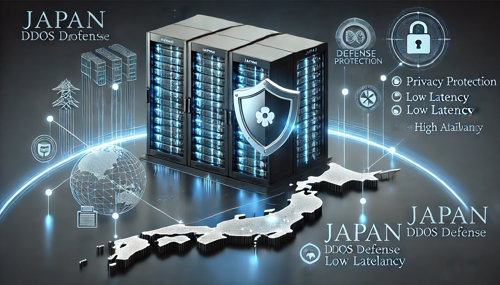
common security inspection items in us computer rooms include ddos protection capabilities, network intrusion detection and prevention, traffic cleaning mechanisms and incident response processes. evaluate the cleaning bandwidth, cleaning delay, whether it supports line-based or ip-based offloading, as well as incident response time limit and notification mechanism to ensure the shortest business interruption time when an attack occurs.
sla and availability commitments
sla should include network availability, fault reporting time, fault repair time limit and compensation mechanism. pay attention to the definition and exceptions of network interruption, packet loss, and single link failure in the sla. require written sla and review past availability reports to confirm the operator's actual response and fulfillment in historical failures.
operation and maintenance support and response capabilities
the noc and on-site support of the computer room directly affect the efficiency of troubleshooting. evaluate 7x24 or on-demand support, fault escalation paths, remote control permissions (such as kvm, ipmi), on-site engineer response time, and whether professional migration and debugging services are provided. it is recommended that details of drills and emergency procedures be clearly communicated to suppliers.
physical redundancy, power and environmental monitoring
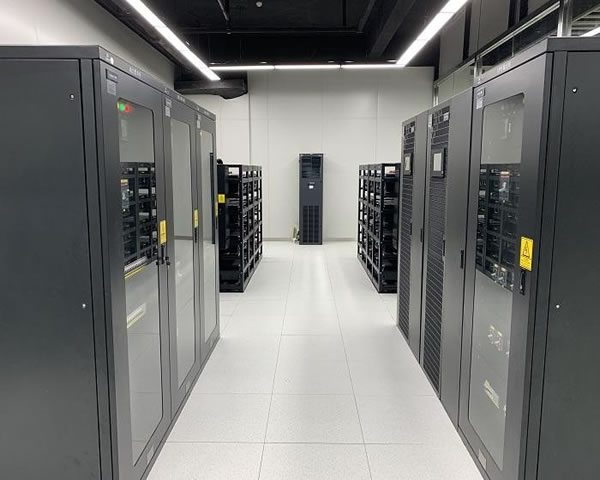
in addition to networking, physical redundancy is equally important. check dual power supplies, ups and generator capacity, rack power distribution, cooling system redundancy and environmental monitoring strategies. learn about cross-connect options and room connection flexibility to ensure expected availability is maintained during power or cooling outages.
compliance and third party audit certificate
compliance certificates and regular audits can demonstrate the management and control measures of the computer room. look for common compliance instructions (such as third-party audit reports common to data centers), physical security processes, access controls and log retention policies to meet compliance requirements and audit traceability.
summary and suggestions
the computer room network and service indicators that you should focus on when looking for server hosting in the united states include network performance, interconnection and routing redundancy, anti-ddos capabilities, sla, operation and maintenance response, and physical redundancy. it is recommended to develop scoring sheets, require historical monitoring data, and conduct trial runs or short-term contract verifications to reduce go-live risk and ensure long-term availability.
- Latest articles
- Practical Tips for Identifying Common Scams When Buying Japanese Original IPs and Avoiding Being Scammed
- Price Comparison: Renting Independent Servers in Malaysia – Quotes from Various Data Center Providers
- Example test: Where are the fastest US cloud servers? Real speed reports from different providers
- Troubleshooting guide: Checklist of steps to figure out why a Hong Kong VPS can’t access websites in Hong Kong
- Risk Warning: Hidden Costs and Limitations of Free Cloud Server Services in Hong Kong
- How to evaluate the cache hit rate performance of Taiwan’s CDN CN2 in different regions
- Which VPS provider in Malaysia is the best? A comprehensive comparison based on price-performance and after-sales support
- Detailed Explanation of Factors to Consider When Choosing a Data Center in Singapore: The Impact of Singapore CN2 VPS on Access Speed
- Where are Malaysia’s WeChat servers located? Geographical factors that affect message delivery speed
- Advantages of Hong Kong’s native IPs in supporting cross-border work and distance education at airports
- Popular tags
-

From an operations perspective: Automatic scaling and alerting solutions for high-security cloud servers in the United States
An analysis of the automatic scaling and alerting mechanisms for high-security cloud servers in the United States from an operations perspective, covering practical approaches and recommendations regarding traffic analysis, trigger policies, preheating and cooling processes, alert classification, and noise reduction. Suitable for applications that require protection against external traffic and high availability. -
Analysis of the reasons for choosing the American station group server
This article provides an in-depth analysis of the reasons for choosing a US server and helps you understand its importance and advantages in SEO optimization. -

Practical advice on improving rankings for American website clusters through content and technology
Provides practical SEO advice for websites targeting the U.S. market, covering techniques that combine technology and content such as keywords/localized content, website architecture, servers and CDNs, page experience, structured data, and link strategies.